Home
 Plan your visit
 Jungle
 Tropical
 Guided Tours
 Encyclopedia
 Blog


Horned Cowfish
Lactoria cornuta
Family: Ostraciidae | Genus: Lactoria
Saltwater or brackish water | Omnivorous with a tendency towards herbivory | Diurnal | Indo-Pacific | Up to 45 cm
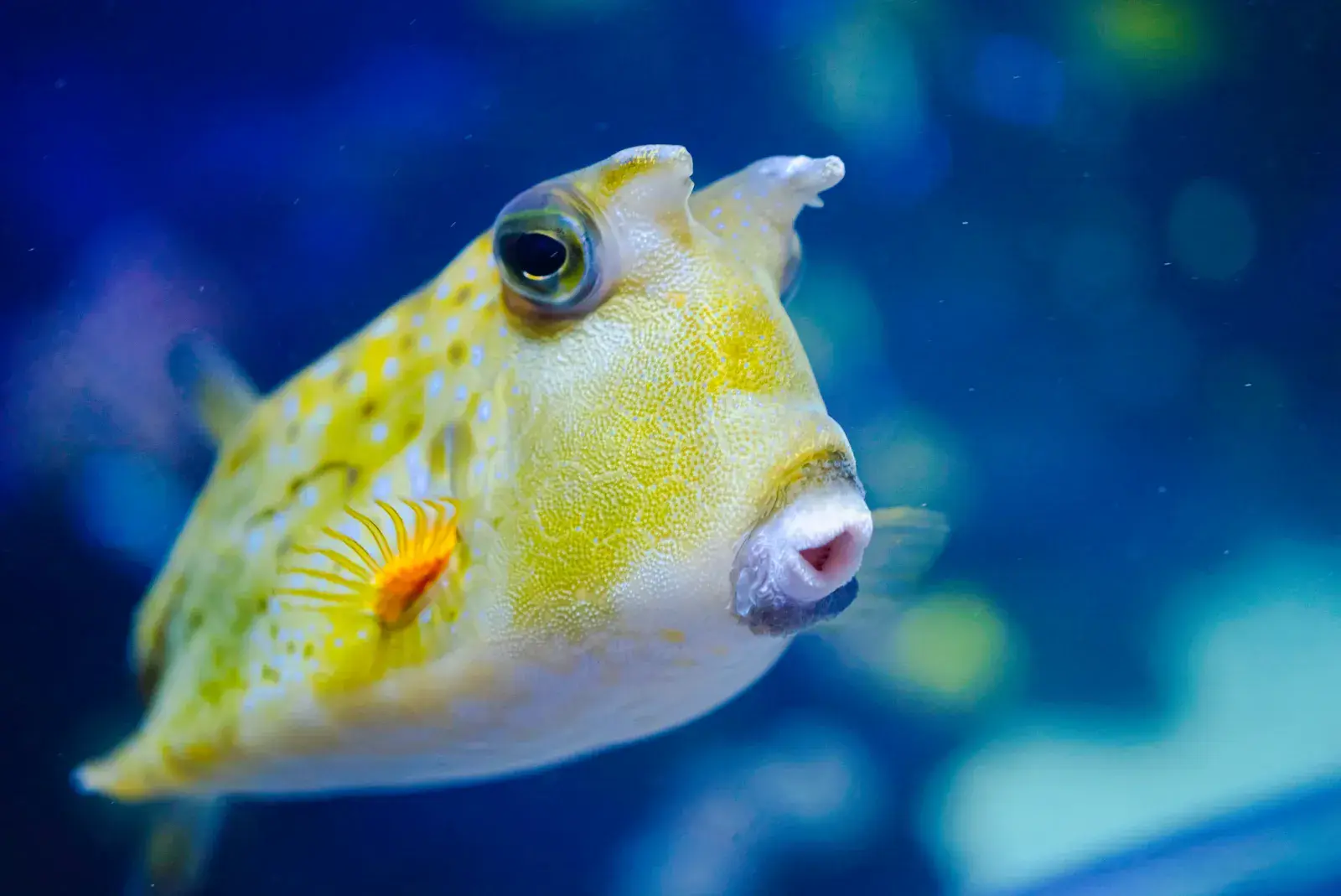
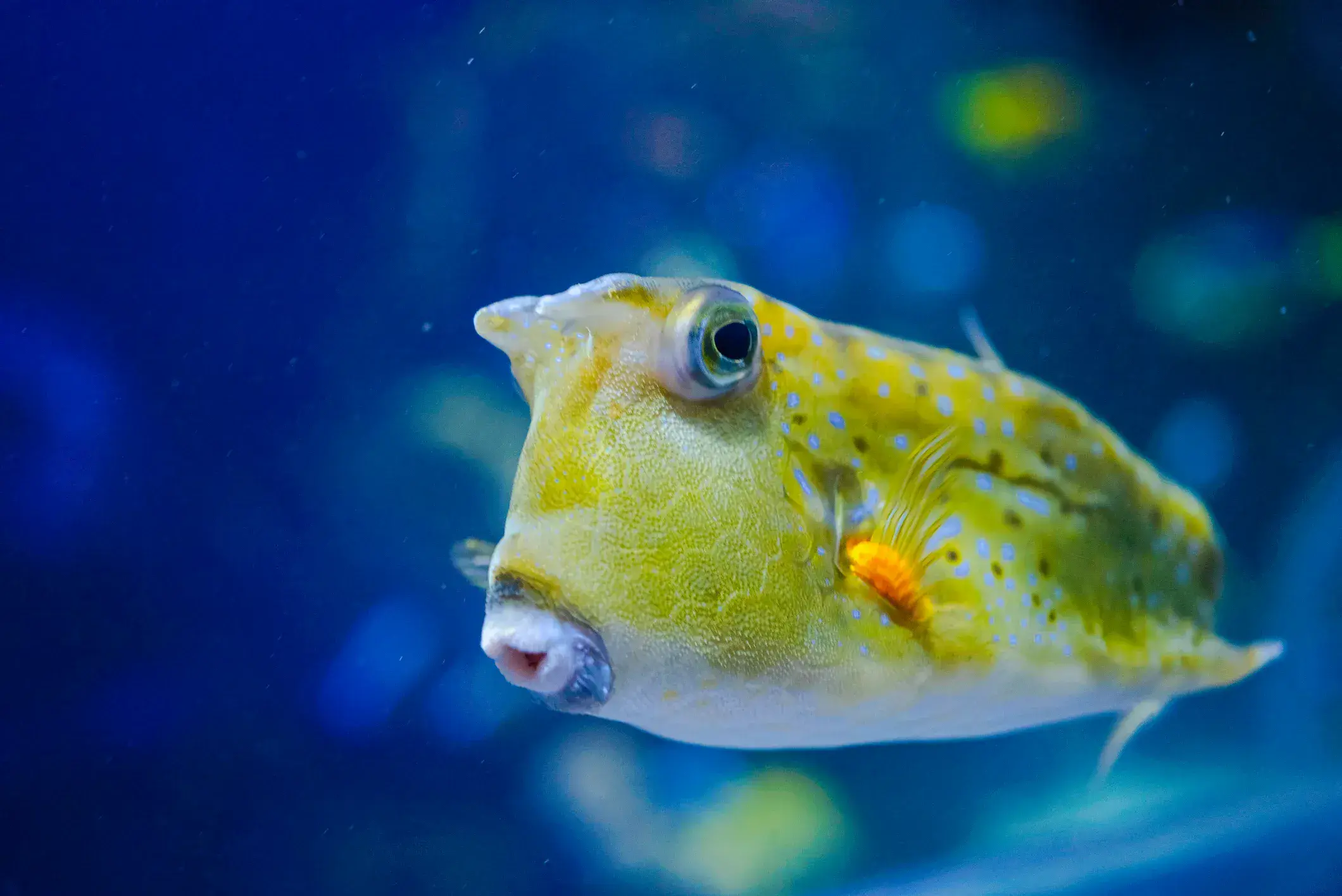
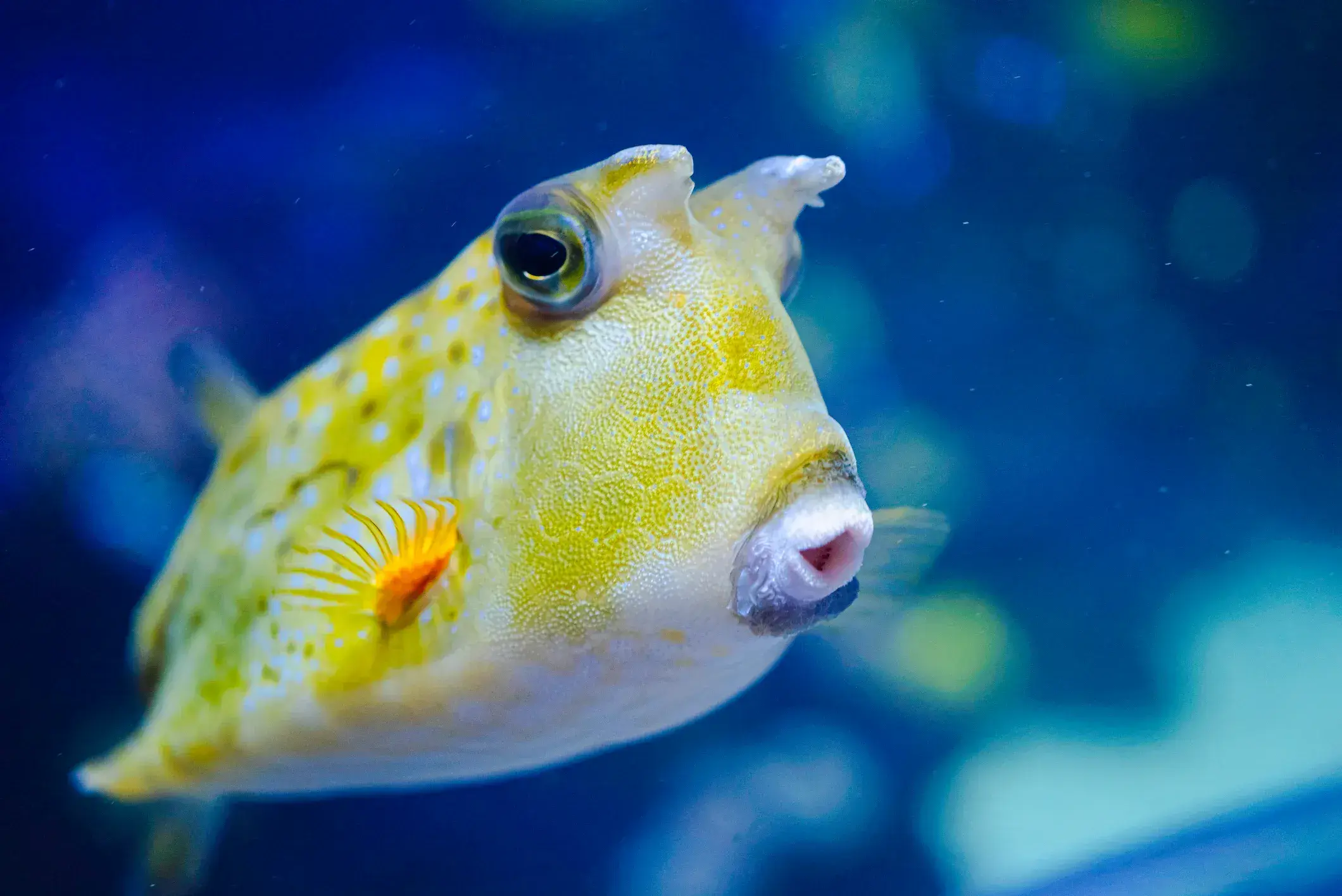
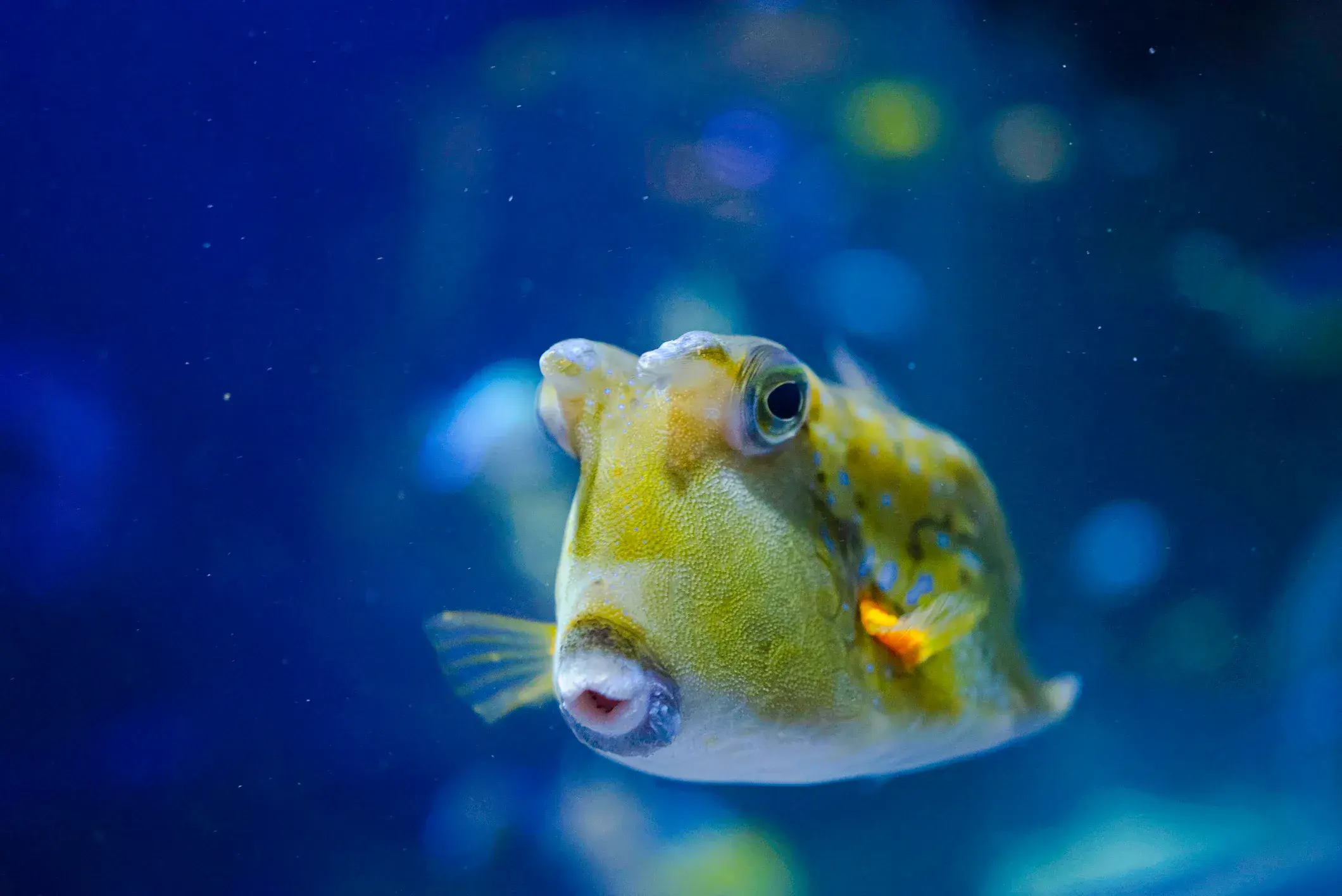
The horned cowfish (Lactoria cornuta), also known as the longhorn cowfish, is an unmistakable fish characterised by the long horns protruding from its head. It can reach up to 46 cm in length, although its average size is around 40 cm. Its body is covered by a rigid armour that protects it from predators. In addition to its distinctive morphology, it is known for releasing a toxin called ostracitoxin through its skin when under stress, as a defence mechanism.
Geographical distribution
This fish is widely distributed throughout the Indo-Pacific, from the Red Sea and eastern Africa to the Marquesas and Tuamotu Islands; northwards to southern Japan and southwards to Lord Howe Island. Its range encompasses a wide variety of tropical and subtropical waters across this extensive region.
 Hábitat
Lifestyle and behaviour
Diet
In the wild
- Benthic algae.
- Molluscs.
- Small crustaceans.
- Small fish.
- Polychaete worms and various microorganisms, which it uncovers from the sand by expelling jets of water.
Under human care
- Commercial foods for omnivorous fish or foods with a vegetable component.
- Pieces of molluscs and small invertebrates.
- Live or frozen foods, such as Artemia larvae or small worms.
- A varied diet including algae and plant matter is recommended to maintain its health.
Conservation status
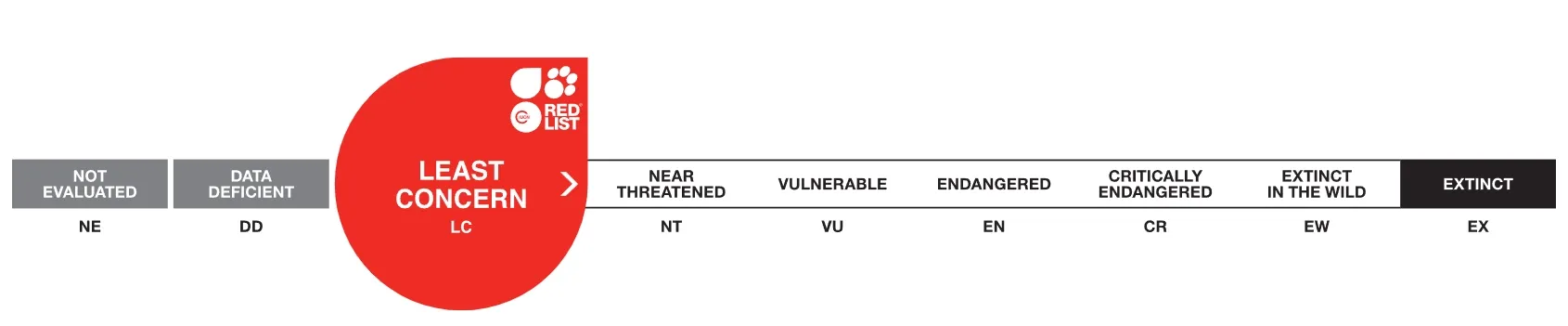
The horned cowfish (Lactoria cornuta) is currently assessed as Least Concern (LC) by the International Union for Conservation of Nature (IUCN) Red List. However, there are factors affecting its populations in certain regions.
Main threats:
- Loss and degradation of coastal and reef habitats due to pollution, human development and climate change.
- Sensitivity to changes in water quality and the availability of algae and small organisms on which it feeds.
Although it is not currently considered critically endangered, monitoring its populations remains important due to its ecological specialisation and the increasing threats facing the reef ecosystems where it lives.
Related species at Poema del Mar