 Home
Home Plan your visit
  Jungle
  Tropical
  Deep Ocean
  Guided Tours
 Encyclopedia
 Blog
Blog


Activities within the classroom
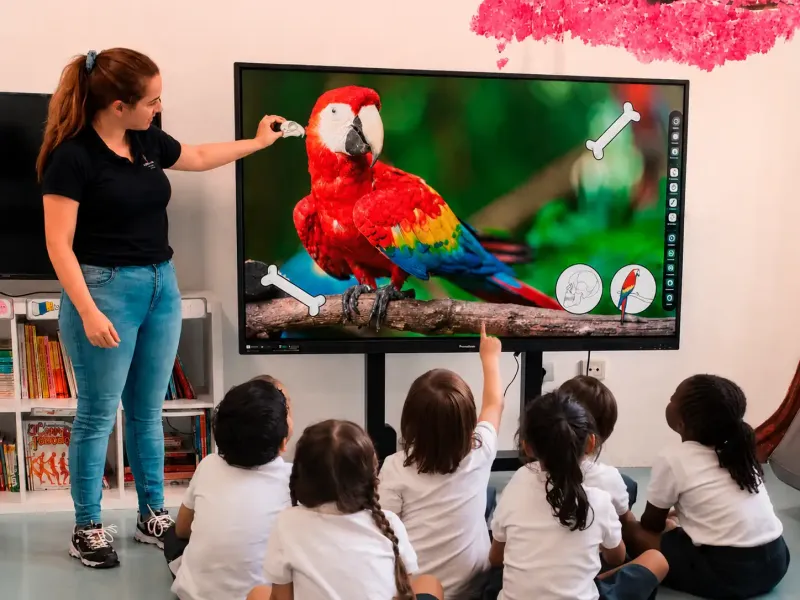
Our educational team visits schools across the island free of charge to transform the classroom into a space for discovery and learning.
Through activities tailored to each age group, students will learn about biodiversity, explore the major challenges it faces and discover the importance of conserving it. Each session combines content and hands-on experiences to spark scientific curiosity, encourage critical thinking and link learning to the curriculum through play. All these activities are led by our educational team, who are trained in biology, and can be adapted to the needs of each group.
- LIFE THROUGH THE SENSES
Nursery and Primary · 50 mins
We explore the natural world through our senses, discovering animals and biological specimens in an accessible, engaging and participatory way.
- SWIMMING IN PLASTIC
Nursery, Primary and Secondary · 50 mins
What happens when plastic ends up in the ocean? Depending on the age group, we reflect on marine pollution and its consequences for wildlife.
- CONSERVATION IN THE CANARY ISLANDS
Primary and Secondary · 50 mins
We discover some of the most endangered species in the Canary Islands and learn about the actions being taken to protect them and safeguard their future.
- EVOLUTION: TRAVELLING THROUGH TIME
Primary and Secondary · 50 mins
We journey through the history of life to discover how living beings evolved, what fossils tell us, and why conserving biodiversity is key to the future.
- THE SOUND IN THE OCEAN
Primary and Secondary · 50 mins
We listen to the ocean through real sounds and multimedia resources to discover how its inhabitants communicate and how noise pollution disrupts their world.
Beach Clean-Ups
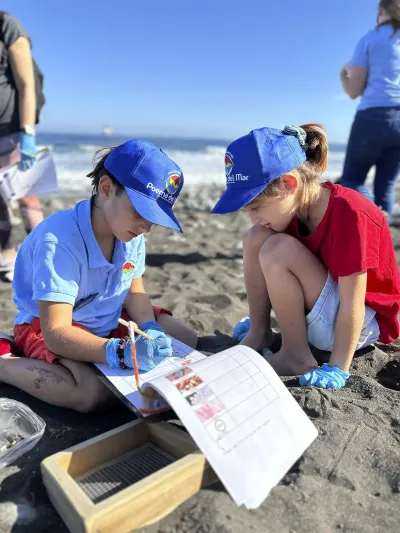
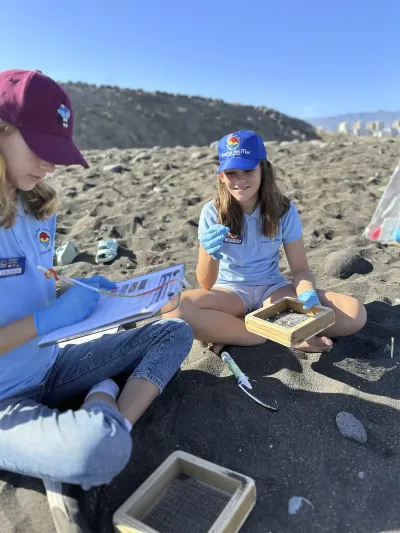
A hands-on, participatory experience in which pupils take the lead in looking after our coastlines. Accompanied by an educator from the Loro Parque Foundation, they will explore the issue of marine pollution first-hand on a beach along the Canary Islands’ coastline: they will identify and sort out waste, discover the impact of plastics and microplastics on ecosystems, and understand how our actions can help to protect them.
Duration: 2.5 hours
Recommended maximum: 50 students