Home
 Plan your visit
 Jungle
 Tropical
 Deep Ocean
 Guided Tours
 Encyclopedia
 Blog


African pike
Hepsetus odoe
Family: Hepsetidae | Genus: Characiformes Characiformes

Rivers | Carnivorous | Diurnal | Eastern Africa | Up to 44.2 cm | Up to 5 years
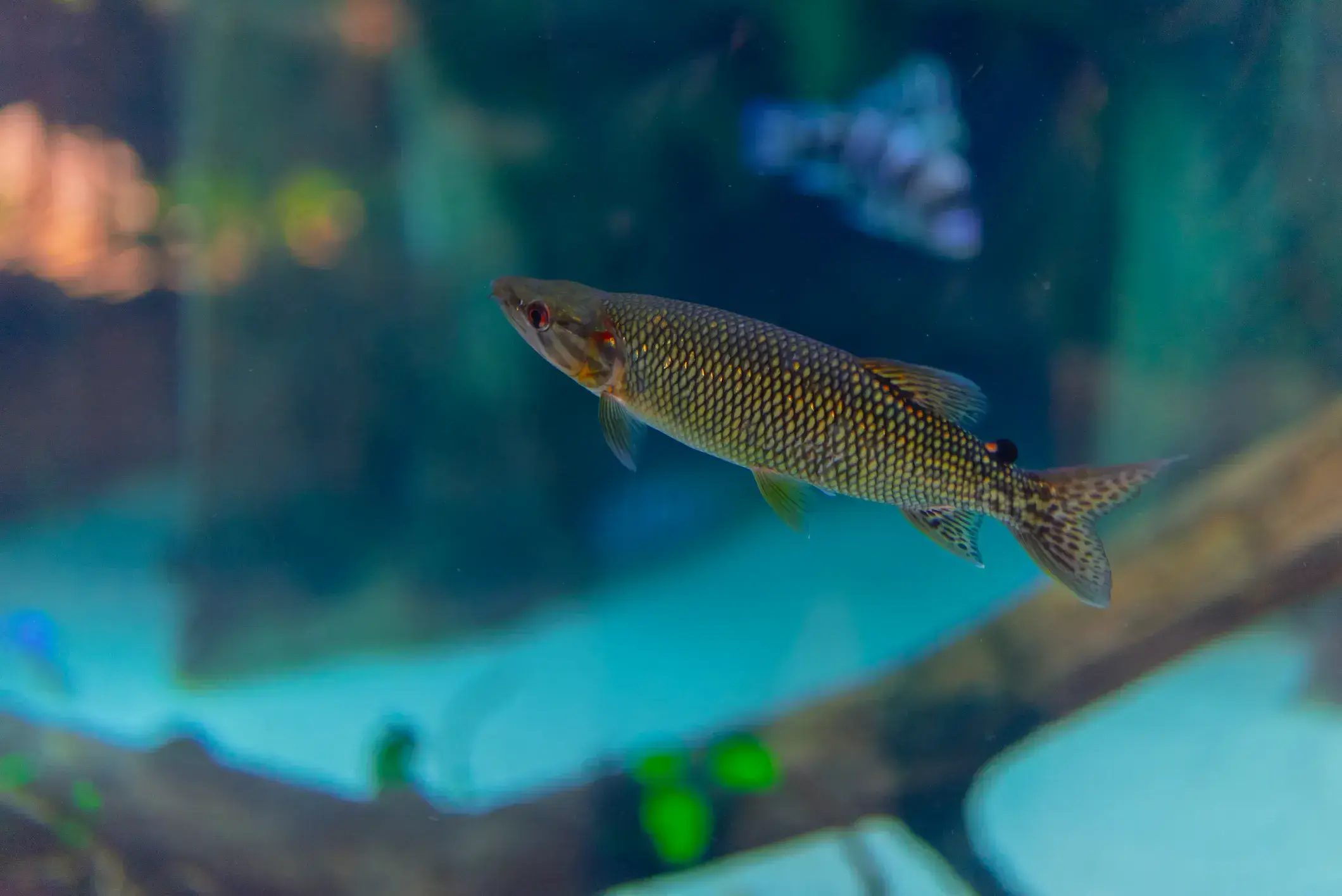
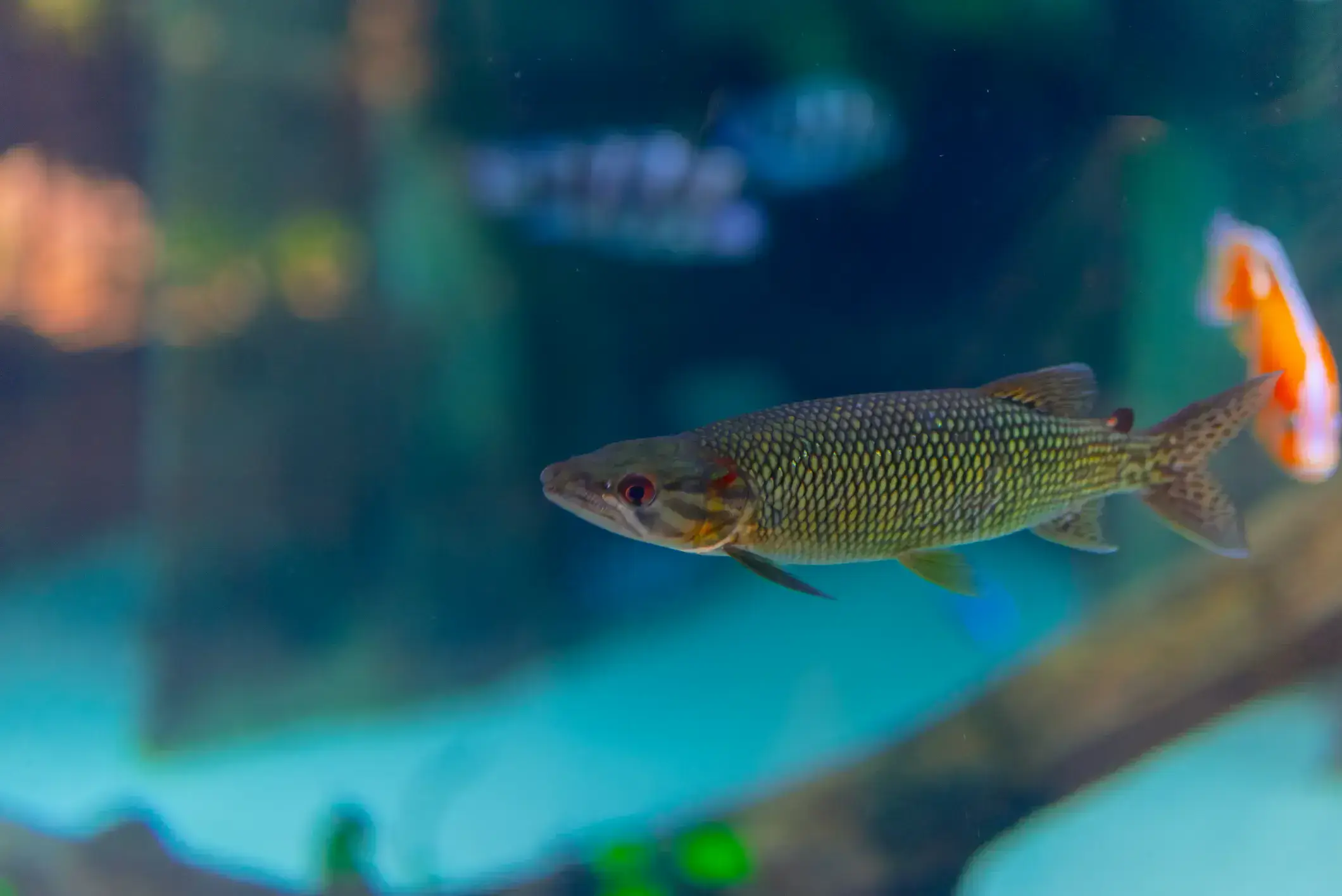
The African pike (Hepsetus odoe) is a freshwater predator found across a variety of aquatic systems in Africa. It is distinguished by its elongated body and mouth filled with sharp teeth.
Reaching up to 44 cm in length, this fish is known for its predatory behaviour and its ecological importance within the ecosystems it inhabits. Its remarkable adaptation is reflected in its ability to actively hunt and its role in regulating populations of smaller fish
Geographical distribution
The African pike is widely distributed across tropical rivers, lakes and reservoirs in Africa. It is commonly found in large river systems, with its distribution extending from the Sassandra River in Côte d'Ivoire to the Chari River in the Central African Republic, and southwards to the Kribi River in Cameroon.

Habitat
Lifestyle and behaviour
Diet
Natural habitat:
- Mainly smaller fish.
- It may also consume aquatic insects, crustaceans and other invertebrates, particularly as a juvenile.
- It is an ambush predator.
Under human care:
- In a controlled environment, it would probably accept live or frozen fish suitable for its size.
Conservation status
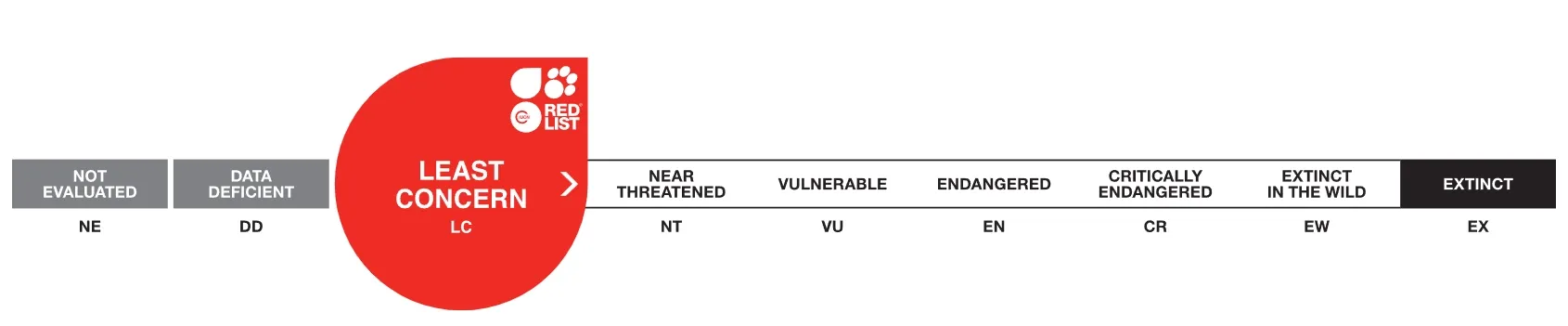
The African pike (Hepsetus odoe) is classified as Least Concern (LC) on the International Union for Conservation of Nature (IUCN) Red List. However, local populations may be affected by:
Main threats:
- Habitat loss and degradation: changes to freshwater systems caused by dam construction, agriculture, deforestation and pollution can negatively affect its populations.
- Overfishing: in some areas, fishing for human consumption can place pressure on local populations.
- Introduction of exotic species: the introduction of non-native species can alter ecosystems, affect prey availability or introduce competition.
Regional assessments are important to determine the specific conservation status of African pike populations across different parts of its range.